Korean Bibimbap
Uitgelicht onder: Culinaire Wereldreis
Korean Bibimbap is a vibrant and nutritious dish that combines rice with a variety of fresh vegetables, protein, and a spicy sauce.
Korean Bibimbap is more than just a meal; it's a celebration of flavors, textures, and colors. Originating from Korea, this dish is a staple in Korean cuisine, featuring a harmonious mix of rice, vegetables, and protein, all topped off with a spicy gochujang sauce.
Why You'll Love This Recipe
- A colorful array of fresh vegetables for a nutritious boost
- Customizable with your favorite proteins and toppings
- Deliciously spicy and tangy sauce that elevates every bite
A Symphony of Colors
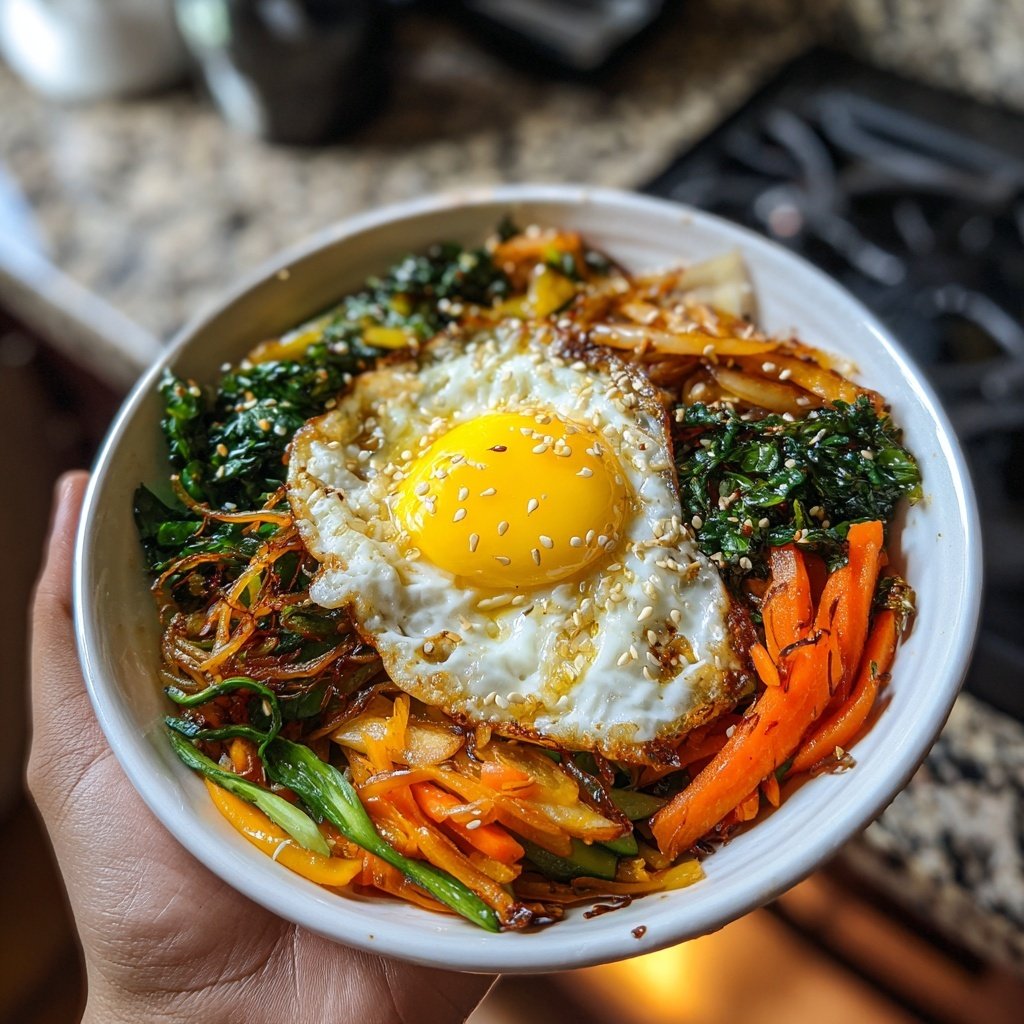
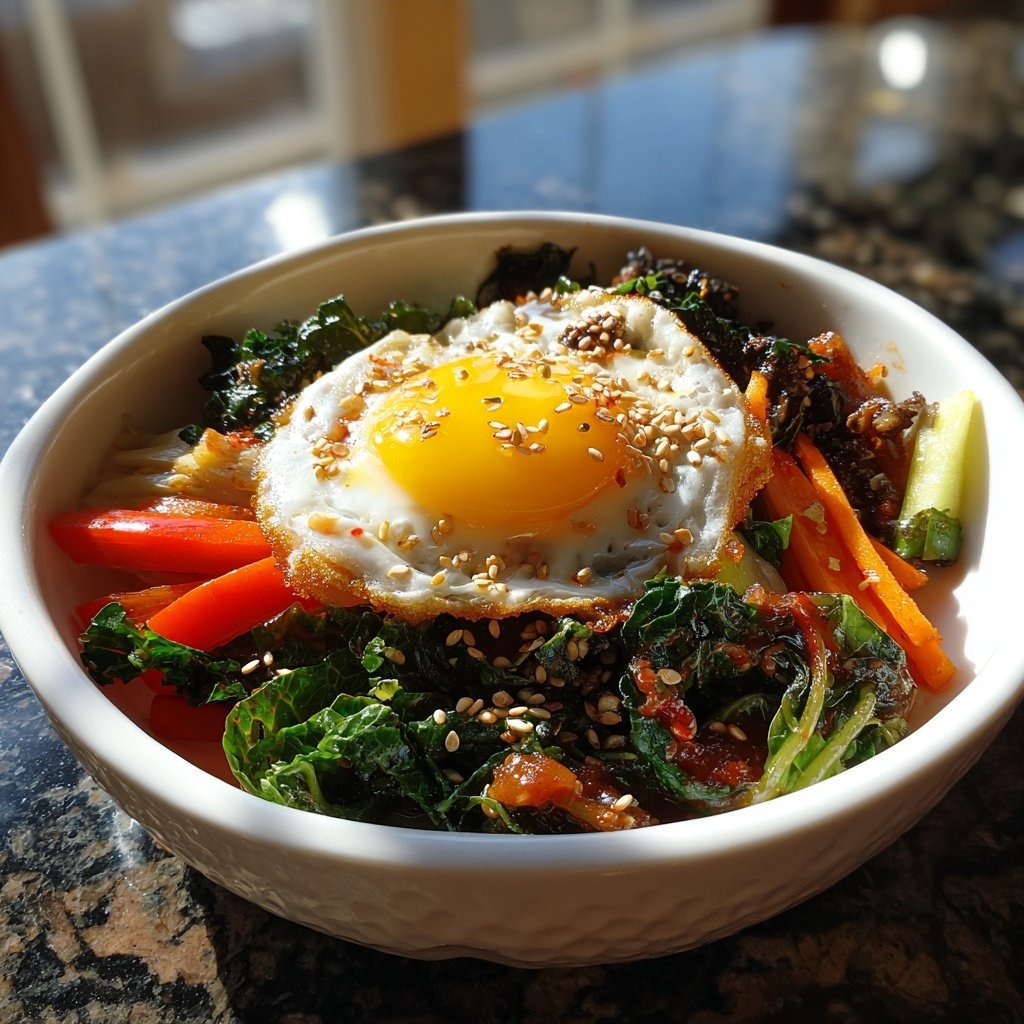
Korean Bibimbap is not just a meal; it's a visual feast! The vibrant colors of the vegetables not only make the dish appealing but also enhance its nutritional value. Each ingredient is carefully chosen to provide a variety of vitamins and minerals, making it a wholesome option for any time of the day. From the deep greens of spinach to the bright orange of carrots, this dish showcases the beauty of fresh produce.
The art of arranging the ingredients is what truly sets Bibimbap apart. The colorful display invites you to dig in, and the combination of textures—from crunchy vegetables to creamy fried eggs—creates a delightful eating experience. This attention to aesthetics is rooted in Korean culture, where food is often seen as a form of art.
Customizable to Your Taste
One of the best features of Bibimbap is its versatility. You can easily tailor this recipe to suit your personal preferences or dietary restrictions. Whether you want to swap out the vegetables for what's in season or substitute the protein for tofu or chicken, the possibilities are endless. This adaptability makes Bibimbap a favorite among home cooks and restaurant-goers alike.
For those looking to add an extra protein punch, consider including grilled beef or marinated tofu. If you're feeling adventurous, try adding kimchi for a tangy twist or different sauces to create a unique flavor profile. The only limit is your imagination!
A Meal for Every Occasion
Korean Bibimbap is perfect for any occasion, whether it's a casual weeknight dinner or a festive gathering. Its ability to satisfy various tastes makes it an ideal choice for family meals or entertaining guests. Plus, it's a fantastic way to introduce others to the delightful flavors of Korean cuisine without overwhelming them.
Preparing Bibimbap can also be a fun and interactive experience. Encourage your family or friends to customize their bowls with their favorite toppings, creating a shared experience around the table. This communal aspect not only makes for great conversation but also allows everyone to enjoy a meal that feels personal and special.
Ingredients
For the Bibimbap
- 2 cups cooked short-grain rice
- 1 cup spinach, blanched
- 1 cup carrots, julienned
- 1 cup zucchini, julienned
- 1 cup bean sprouts, blanched
- 4 shiitake mushrooms, sliced
- 4 eggs, fried
- 1 tablespoon sesame oil
- Salt, to taste
For the Gochujang Sauce
- 3 tablespoons gochujang (Korean chili paste)
- 1 tablespoon sesame oil
- 1 tablespoon sugar
- 1 tablespoon rice vinegar
- 1 teaspoon soy sauce
- 1 teaspoon minced garlic
Feel free to customize your Bibimbap with additional toppings or proteins such as beef, chicken, or tofu.
Instructions
Prepare the Vegetables
Heat sesame oil in a skillet over medium heat. Sauté each vegetable (spinach, carrots, zucchini, and mushrooms) separately for about 2-3 minutes each. Season with a pinch of salt and set aside.
Make the Gochujang Sauce
In a bowl, combine gochujang, sesame oil, sugar, rice vinegar, soy sauce, and minced garlic. Mix well until smooth.
Assemble the Bibimbap
In a large bowl or plate, place the cooked rice as the base. Arrange the sautéed vegetables, blanched bean sprouts, and fried egg on top of the rice. Drizzle with the gochujang sauce before serving.
Serve
Mix everything together before eating, ensuring the sauce coats all ingredients. Enjoy your homemade Korean Bibimbap!
For a more authentic experience, serve with kimchi on the side.
Professionele Tips
- Use seasonal vegetables for the freshest flavor and texture.
Nutritional Benefits
Korean Bibimbap is not just delicious; it's also packed with nutrients. The variety of vegetables provides essential vitamins, minerals, and fiber, making it a health-conscious choice. Spinach is rich in iron, while carrots are loaded with beta-carotene. Together, these ingredients support overall health and well-being.
Adding protein, whether in the form of eggs, beef, or tofu, enhances the dish further by providing the necessary amino acids for muscle repair and growth. This balanced meal ensures you feel full and satisfied without compromising on nutrition.
Tips for Perfecting Your Bibimbap
To achieve the perfect Bibimbap, make sure to use short-grain rice, which gives the dish its signature sticky texture. Cooking the rice to the right consistency is crucial; it should be fluffy yet slightly sticky to hold the ingredients together. If you have leftovers, consider reheating the rice with a splash of water and covering it to steam it back to life.
When sautéing the vegetables, cook them separately to maintain their distinct flavors and textures. This technique not only enhances the taste but also makes for an aesthetically pleasing presentation when assembling your dish.
Vragen Over Recepten
→ Can I make Bibimbap vegetarian?
Yes, simply omit the egg or use a vegan egg substitute.
→ What type of rice should I use?
Short-grain rice is traditional, but you can use any rice you prefer.
→ Can I prepare Bibimbap in advance?
You can prepare the vegetables and sauce ahead of time, but it's best to assemble just before serving.
→ What can I substitute for gochujang?
You can use a mix of chili paste and miso, but the flavor will differ slightly.
Korean Bibimbap
Gemaakt door: Cressida Northwood
Recepttype: Culinaire Wereldreis
Vaardigheidsniveau: Intermediate
Eindportie: 4 servings
Wat je Nodig Hebt
For the Bibimbap
- 2 cups cooked short-grain rice
- 1 cup spinach, blanched
- 1 cup carrots, julienned
- 1 cup zucchini, julienned
- 1 cup bean sprouts, blanched
- 4 shiitake mushrooms, sliced
- 4 eggs, fried
- 1 tablespoon sesame oil
- Salt, to taste
For the Gochujang Sauce
- 3 tablespoons gochujang (Korean chili paste)
- 1 tablespoon sesame oil
- 1 tablespoon sugar
- 1 tablespoon rice vinegar
- 1 teaspoon soy sauce
- 1 teaspoon minced garlic
Stappen
Heat sesame oil in a skillet over medium heat. Sauté each vegetable (spinach, carrots, zucchini, and mushrooms) separately for about 2-3 minutes each. Season with a pinch of salt and set aside.
In a bowl, combine gochujang, sesame oil, sugar, rice vinegar, soy sauce, and minced garlic. Mix well until smooth.
In a large bowl or plate, place the cooked rice as the base. Arrange the sautéed vegetables, blanched bean sprouts, and fried egg on top of the rice. Drizzle with the gochujang sauce before serving.
Mix everything together before eating, ensuring the sauce coats all ingredients. Enjoy your homemade Korean Bibimbap!
Extra Tips
- Use seasonal vegetables for the freshest flavor and texture.
Voedingswaarde (Per Portie)
- Calories: 500 kcal
- Total Fat: 20g
- Saturated Fat: 4g
- Cholesterol: 180mg
- Sodium: 600mg
- Total Carbohydrates: 70g
- Dietary Fiber: 5g
- Sugars: 6g
- Protein: 15g