Classic Chocolate Cake With Buttercream
Uitgelicht onder: Zoete Verleidingen
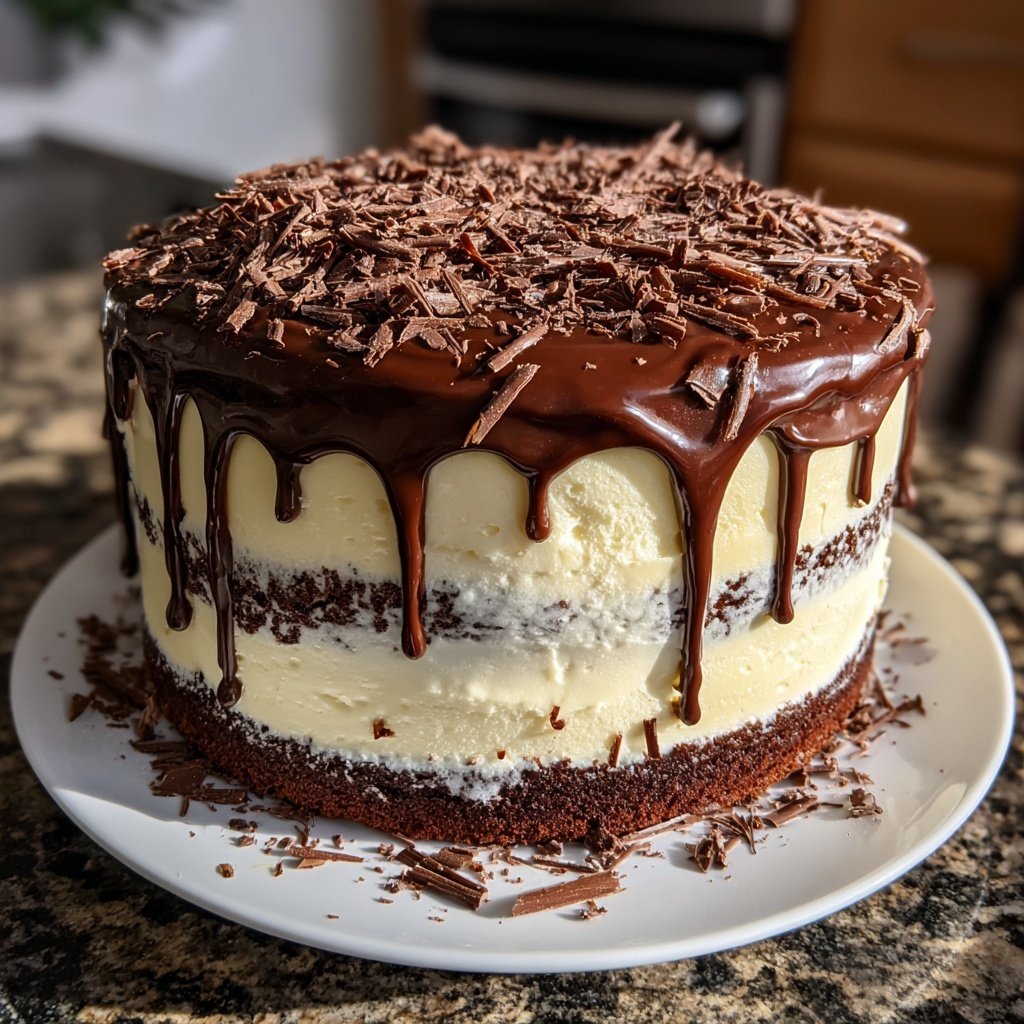
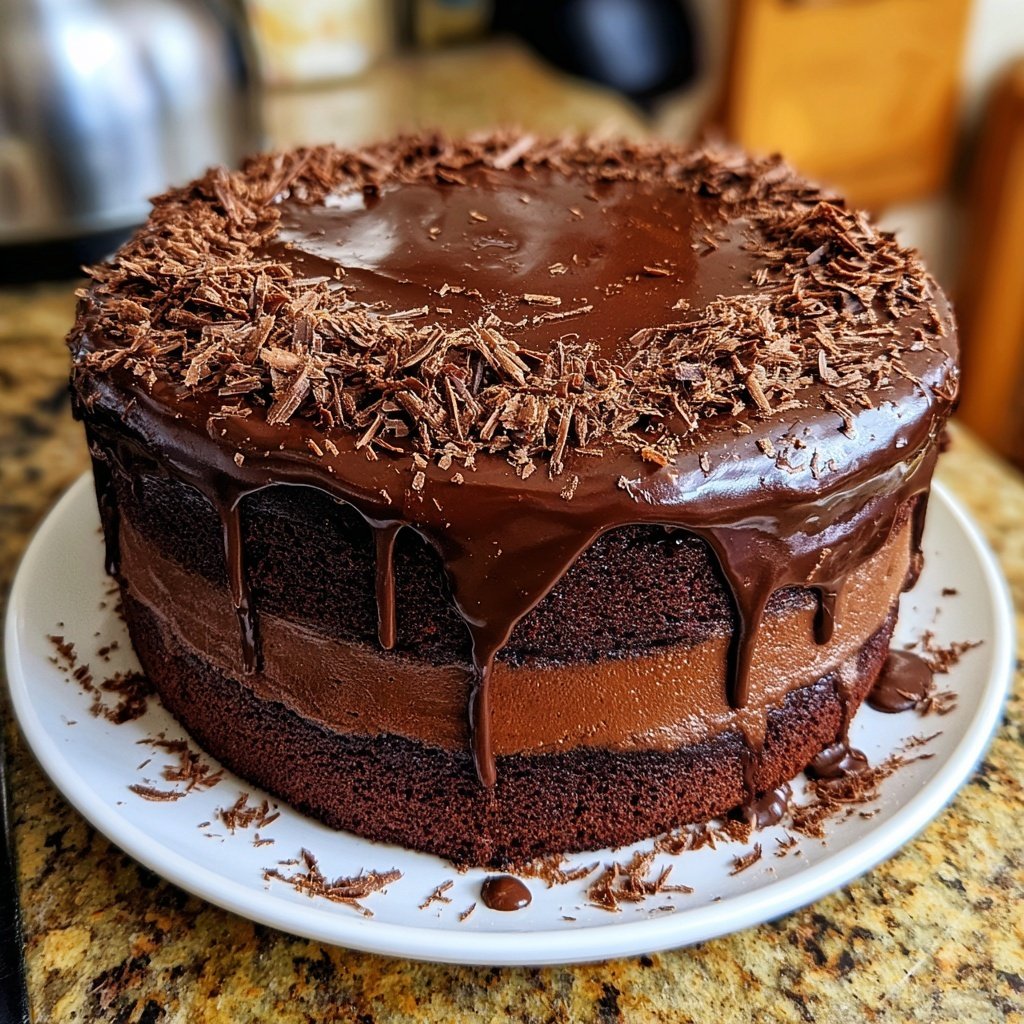
I’ve always been a fan of a classic chocolate cake, and this recipe brings back so many cherished memories. Every bite is rich and decadent, with a fluffy buttercream frosting that perfectly balances the chocolate flavor. The aroma of freshly baked cake fills my kitchen, making it nearly impossible to resist a slice. This cake has been my go-to for birthdays and special occasions, and I love how easy it is to whip up! Join me in creating this delightful classic that’s sure to impress everyone.
While experimenting with recipes, I realized that the key to a moist chocolate cake lies in using high-quality cocoa powder. I decided to test this out, and the result was nothing short of spectacular! The deep chocolate flavor was enhanced not only by the cocoa but also by the careful mixing techniques I employed. This cake really elevates simple chocolate to something extraordinary.
One surprising tip I discovered was to add a touch of espresso powder to the dry ingredients. It intensifies the chocolate flavor without making the cake taste like coffee. It’s these little secrets that I love to share, turning a traditional recipe into something truly unforgettable!
Why You Will Love This Cake
- Rich chocolate flavor complemented by creamy buttercream frosting
- Moist texture that stays fresh for days
- Perfect for any celebration or when you need a sweet treat
Perfecting the Chocolate Flavor
The choice of cocoa powder plays a significant role in the flavor profile of your cake. I recommend using high-quality, Dutch-processed cocoa for a deeper chocolate taste and smoother texture. Unsweetened cocoa provides a rich base that balances the sweetness of the sugar in the recipe. When measuring, be sure to spoon the cocoa into the measuring cup and level it off for accuracy; packing it down can lead to an overly dense batter.
Another tip for enhancing the chocolate flavor is to ensure your cocoa powder is fresh. Old cocoa can lose its vibrancy and richness, making your cake less flavorful. If you’re unsure about the freshness, a quick sniff should reveal its chocolatey essence—if it smells flat, it’s time to replace it.
Tips for the Perfect Buttercream Frosting
The texture of your buttercream frosting can be adjusted by varying the amount of powdered sugar and milk. If you prefer a stiffer frosting for intricate decorations, start with 3 cups of powdered sugar and gradually add milk until you reach the desired consistency. Conversely, for a lighter, fluffier texture, you can increase the milk slightly while beating the mixture until it achieves a smooth and spreadable consistency.
Remember to beat the butter thoroughly before adding sugar; this aerates the butter and results in a light frosting. If your frosting appears too grainy, continue mixing it on medium speed for an additional minute or two to develop a smoother texture. If it's too sweet, a small pinch of salt can help balance the sweetness beautifully.
Storing and Serving Your Cake
Once your cake is frosted, it can be stored at room temperature for up to three days, or you can refrigerate it for up to a week. To keep it moist, cover it loosely with plastic wrap. If you decide to freeze the cake, I recommend wrapping individual slices in plastic wrap and then in aluminum foil. This will keep them fresh for up to three months, and you can thaw slices as needed for a quick dessert treat.
For serving, allow the cake to come to room temperature after refrigeration for the best flavor. Pair it with a scoop of vanilla ice cream or a dollop of whipped cream for an extra indulgent experience. If you're feeling adventurous, consider adding a layer of fruit preserves or fresh berries between the cake layers for a delightful contrast to the rich chocolate.
Ingredients
For the Cake
- 1-3/4 cups all-purpose flour
- 3/4 cup unsweetened cocoa powder
- 2 cups granulated sugar
- 1-1/2 teaspoons baking powder
- 1-1/2 teaspoons baking soda
- 1 teaspoon salt
- 2 large eggs
- 1 cup whole milk
- 1/2 cup vegetable oil
- 2 teaspoons vanilla extract
- 1 cup boiling water
For the Buttercream Frosting
- 1 cup unsalted butter, softened
- 3-4 cups powdered sugar
- 1/2 cup unsweetened cocoa powder
- 1/4 cup whole milk
- 2 teaspoons vanilla extract
Instructions
Method
Prepare the Cake Batter
Preheat your oven to 350°F (175°C). Grease and flour two 9-inch round cake pans. In a large bowl, combine the flour, cocoa powder, sugar, baking powder, baking soda, and salt. Mix well. Then add the eggs, milk, oil, and vanilla extract. Beat on medium speed for about 2 minutes. Stir in boiling water until smooth.
Bake the Cake
Pour the batter evenly into the prepared cake pans. Bake for 30 to 35 minutes, or until a toothpick inserted in the center comes out clean. Let the cakes cool in the pans for 10 minutes before transferring them to wire racks to cool completely.
Make the Buttercream Frosting
In a medium bowl, beat the softened butter until creamy. Gradually add the powdered sugar and cocoa powder, alternating with milk, beating until smooth and fluffy. Mix in the vanilla extract.
Frost the Cake
Once the cakes are completely cooled, place one layer on a serving plate. Spread a layer of buttercream frosting on top, then place the second layer on top. Frost the top and sides of the cake with the remaining buttercream.
Enjoy your delicious cake!
Professionele Tips
- For added flavor, consider sprinkling a bit of sea salt on top of the buttercream before serving. This enhances the chocolate and adds a delightful contrast.
Ingredient Substitutions
If you're looking for dairy-free alternatives, you can substitute whole milk with almond milk or any other non-dairy milk of your choice. However, keep in mind that the final texture might slightly differ; almond milk tends to be thinner than whole milk. For the buttercream, you can use vegan butter to create a delicious dairy-free frosting without compromising on flavor.
For those who want to reduce sugar, consider using a sugar substitute like erythritol or stevia, but be sure to check the conversion ratio as they can vary significantly from granulated sugar. Likewise, you can replace some of the granulated sugar with unsweetened applesauce to add moisture and reduce calories, keeping in mind that this could impact the cake's final texture.
Troubleshooting Common Issues
If your cake doesn’t rise as expected, it might be an issue with your leavening agents. Ensure that your baking powder and baking soda are fresh; outdated leaveners can lead to a dense cake. A common test is to add a teaspoon of baking powder to a small amount of vinegar—if it bubbles vigorously, it's still good to use.
Another common issue is a dry cake. This can occur if the cake is overbaked or if there's not enough liquid. Always check for doneness with a toothpick; it’s ready when it comes out clean or with a few moist crumbs attached. If you notice that your cake is on the dryer side, consider brushing it with simple syrup made of equal parts sugar and water, heated until the sugar dissolves, to add back moisture.
Scaling the Recipe
If you want to make a larger cake for a celebration, this recipe can easily be doubled to create a layer cake with four tiers. Just ensure that your baking pans are the appropriate size, and adjust the baking time as necessary. For instance, a larger cake might take an additional 5-10 minutes to bake, so keep an eye on it as it approaches the 30-minute mark.
Conversely, if you need a smaller cake, you can halve the ingredients and bake in smaller 6-inch round pans. Reducing the baking time to around 20-25 minutes will help ensure it doesn't dry out. Always check for doneness regularly when scaling down to keep the texture just right.
Vragen Over Recepten
→ Can I make this cake gluten-free?
Yes, you can substitute all-purpose flour with a gluten-free flour blend.
→ How do I store leftovers?
Store the cake in an airtight container at room temperature for up to 3 days, or refrigerate for up to a week.
→ Can I freeze the cake?
Absolutely! Wrap the cooled cake tightly in plastic wrap and freeze for up to 3 months. Thaw in the refrigerator before serving.
→ What can I use instead of eggs?
You can use unsweetened applesauce or a mix of flaxseed and water as an egg substitute.
Classic Chocolate Cake With Buttercream
Gemaakt door: Cressida Northwood
Recepttype: Zoete Verleidingen
Vaardigheidsniveau: Intermediate
Eindportie: 1 cake
Wat je Nodig Hebt
For the Cake
- 1-3/4 cups all-purpose flour
- 3/4 cup unsweetened cocoa powder
- 2 cups granulated sugar
- 1-1/2 teaspoons baking powder
- 1-1/2 teaspoons baking soda
- 1 teaspoon salt
- 2 large eggs
- 1 cup whole milk
- 1/2 cup vegetable oil
- 2 teaspoons vanilla extract
- 1 cup boiling water
For the Buttercream Frosting
- 1 cup unsalted butter, softened
- 3-4 cups powdered sugar
- 1/2 cup unsweetened cocoa powder
- 1/4 cup whole milk
- 2 teaspoons vanilla extract
Stappen
Preheat your oven to 350°F (175°C). Grease and flour two 9-inch round cake pans. In a large bowl, combine the flour, cocoa powder, sugar, baking powder, baking soda, and salt. Mix well. Then add the eggs, milk, oil, and vanilla extract. Beat on medium speed for about 2 minutes. Stir in boiling water until smooth.
Pour the batter evenly into the prepared cake pans. Bake for 30 to 35 minutes, or until a toothpick inserted in the center comes out clean. Let the cakes cool in the pans for 10 minutes before transferring them to wire racks to cool completely.
In a medium bowl, beat the softened butter until creamy. Gradually add the powdered sugar and cocoa powder, alternating with milk, beating until smooth and fluffy. Mix in the vanilla extract.
Once the cakes are completely cooled, place one layer on a serving plate. Spread a layer of buttercream frosting on top, then place the second layer on top. Frost the top and sides of the cake with the remaining buttercream.
Extra Tips
- For added flavor, consider sprinkling a bit of sea salt on top of the buttercream before serving. This enhances the chocolate and adds a delightful contrast.
Voedingswaarde (Per Portie)
- Calories: 380 kcal
- Total Fat: 26g
- Saturated Fat: 15g
- Cholesterol: 195mg
- Sodium: 85mg
- Total Carbohydrates: 32g
- Dietary Fiber: 3g
- Sugars: 24g
- Protein: 6g